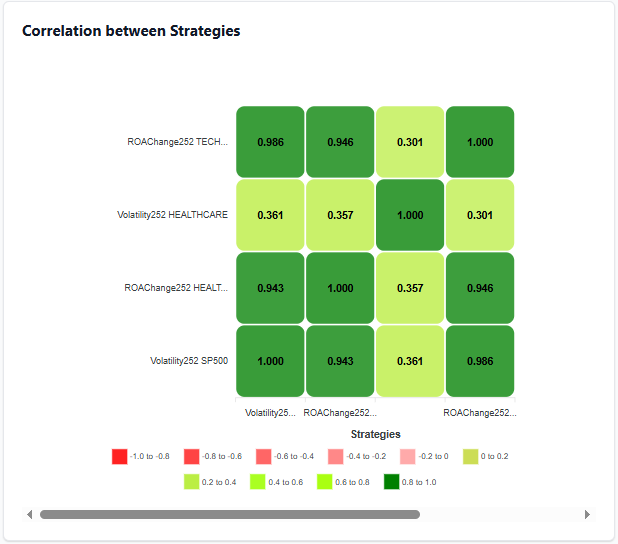
Why Different Factors Often Pick the Same Stocks
Factor signals overlap, correlate, and sometimes capture very similar underlying behavior despite being built differently.
March delivered one of the clearest examples of factor performance rotation we’ve seen in a while. February performance was a negative predictor of March performance. In other words, what worked best in February was systematically punished just one month later.… Read More »When Last Month’s Winners Stop Working
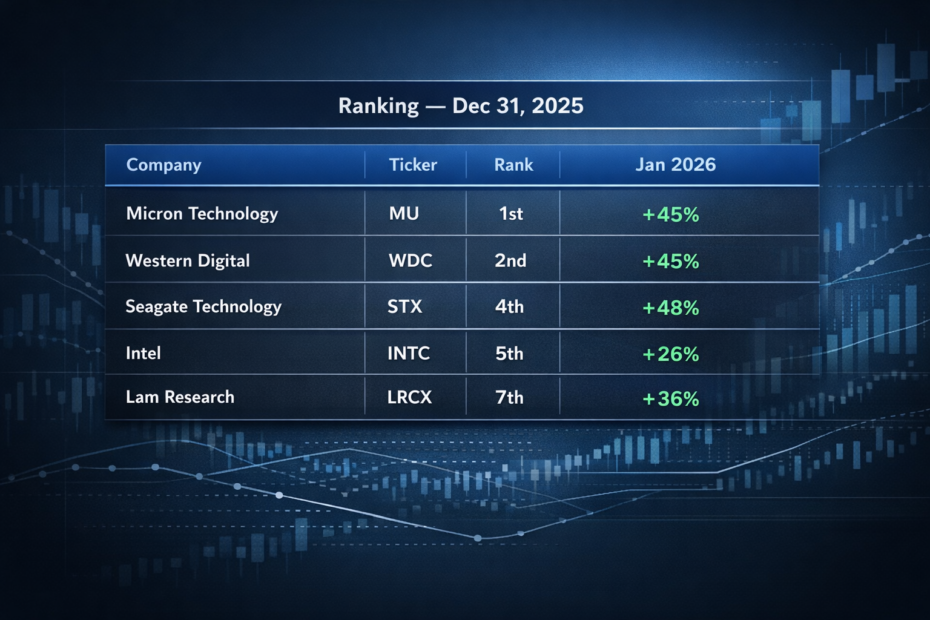
Before the move, the top-performing stocks were ranked at the very top of the PLUS DI 252 indicator across the S&P 500 universe.
The end of 2025 is the ideal time to look at what really worked on the market—and, more importantly, why, as the interpretation of individual metrics can be very misleading.
How significant is survivorship bias? In this article, you get the answer. Pay close attention to the investment methodology.
Our rebalancing feature simplifies the process of adjusting your portfolio at RoboMarkets. Speed up from hours to seconds.
We conducted a test to identify the most effective investment indicators/ factors during January 2020 – July 2025.
In today’s post, we’ll take a closer look at the turnover of investment indicators.
Turnover in factor analysis gives us the average monthly percentage change in the portfolio for the rebalancing period.
In this newsletter, we will examine whether it is possible to obtain excess returns or otherwise improve the parameters of an investment portfolio by investing in stocks with certain volume and sentiment characteristics.
Following industry standards, our Analytical Platform application facilitates the assessment of factors based on the difference between the performance of quantiles.
R2 can help us to understand how much the smaller/real portfolio (Long/Short 20/20) matches the characteristics of the larger portfolio (Long/Short 100/100) on which the factor is being evaluated in the first step.